As some of you know from previous posts, I am a very frugal person. If there is a cheaper way of doing something, I will find it! This not only helps me out in my personal life, but also my teaching life. I know I am not alone, when I admit to often looking at something destined for the garbage and think "How could I use that in my classroom?" Anyone else guilty of this?
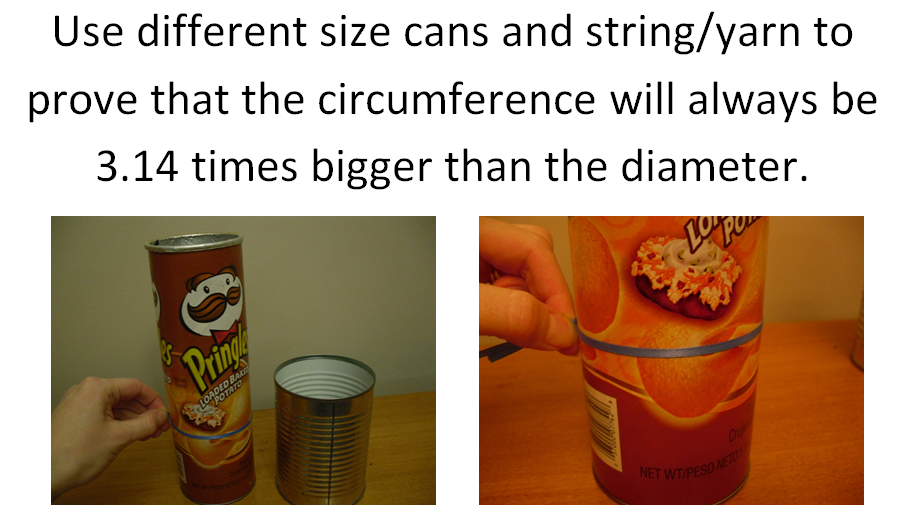
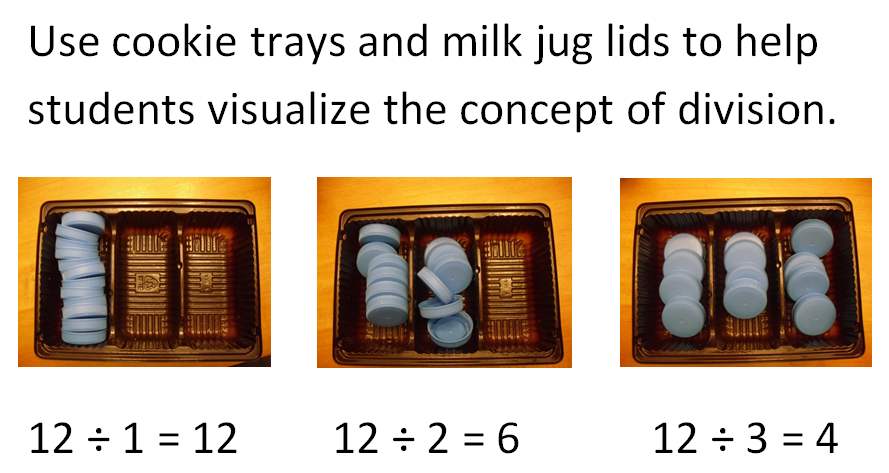
When it comes to teaching math, I find using any kind of visuals and/or manipulatives to be a huge benefit to many of my students. However, a lot of these hands-on items cost a small fortune in the Math supplies catalogs and teacher stores. So....when I can, I make my own, or enlist the kids to help make them.
This is my "Math Cart" (made by my talented husband), and almost everything in it is made by me, except for some dice, cards, and cube-a-links. Looking at this picture, reminds me that I really should label each bin accordingly.
Here is a quick list of some of the things that fill up this cart.
- all my
centers (including directions, and any supplies required to complete them)
- all my number lines
- all my bingo cards (one for just about every concept I teach)
- all my matching games and concentration/memory games (one for just about every concept I teach)
- all my "I have, who has?" cards (one for just about every concept I teach)
- all my task cards ( I've just started this collection and hope to have a set for each concept I teach by the end of the year)
- all my 3-D shapes for my geometry unit (paper ones used to represent solid shapes, and wire ones used to represent the skeleton of the shape)
- all my place value tents for teaching expanded form.
- film canisters filled with numbered bingo chips (used for my
Making Numbers warm-up)
- 2 bins are filled with magazines, as the students are always using them for activities in their Math Scrapbooks
- and more...
Looking at this list, I wonder where I ever found the time. These items have all been collected over my almost 10 years of teaching, and most were done before I had my own children. But, let's face it, creating, cutting, gluing, laminating, and cutting again, takes time. Since discovering TpT, adding to my math cart has become a lot easier and less time consuming.
Two things I use constantly in my room are
cards and dice.
Decks of cards are easy enough to come by and are fairly cheap. What's better than cheap? FREE! Call up your local casino and ask if they would be willing to donate their used cards to your classroom. Did you know that they are only allowed to use a deck of cards once? After that, they usually get hole-punched to signify that they have been used, and they are free for the taking. Luckily this year I have a parent who works at a casino, so I get them delivered right to my class by one of my students. She politely pointed out that my decks were looking a little worn and thought I could use some new ones.
*Helpful tip - To make sure your decks do not get mixed up (especially if they are all the same brand), make sure to number them in the top-back corner. Makes for easy re-organizing, when those random cards inevitably get left on the desk or floor somewhere.
Dice, are also fairly easy to come by and also reasonably priced. I love all the different ones you can get these days. 10-sided, 20-sided, etc. However, they are still pretty limited in what you can do with them, especially when you get into the higher grades. So I started making my own dice.
My mom, a retired elementary teacher gave me the idea for
quiet dice! One of the disadvantages I find about dice, is they are noisy, and half the time the kids roll them so hard that they roll off the desk on to the floor...sometimes never to be seen again!
I realized that if I made my own dice, the possibilities are endless, as I can put whatever I want on the 6 sides. I started by making them out of old toothpaste or cracker boxes, wrapping, and "laminating" with packing tape. Here are the directions from a resource of mine.
I found these fairly successful, but even with the laminating they don't hold up long term.
Last month I found a fantastic alternative. I came across these foam blocks (50 in a pack) at my local Dollar Tree for $1.25! They are basically the same size as standard dice, maybe a bit larger, and I can make them into whatever kind of dice I want with a fine-point permanent marker! I was sold, so I cleared the shelf of them!
Over the next couple of weeks I will be posting ideas on DIY dice that can be used for specific topics in your math classroom.
I would love to hear your ideas as well.
Stay tuned!

If you happen to be heading to the Texas Middle School Association Annual Conference, you just might get your own set of DIY dice. My blogging friend Michele Martin Luck from
A Lesson Plan for Teachers, will be there with a great display of TpT products and has graciously offered to put some of my dice packs in the goodie bags for those who stop by her booth. Make sure to hunt her down if you are there!